-
![]()
Disrupted by Climate
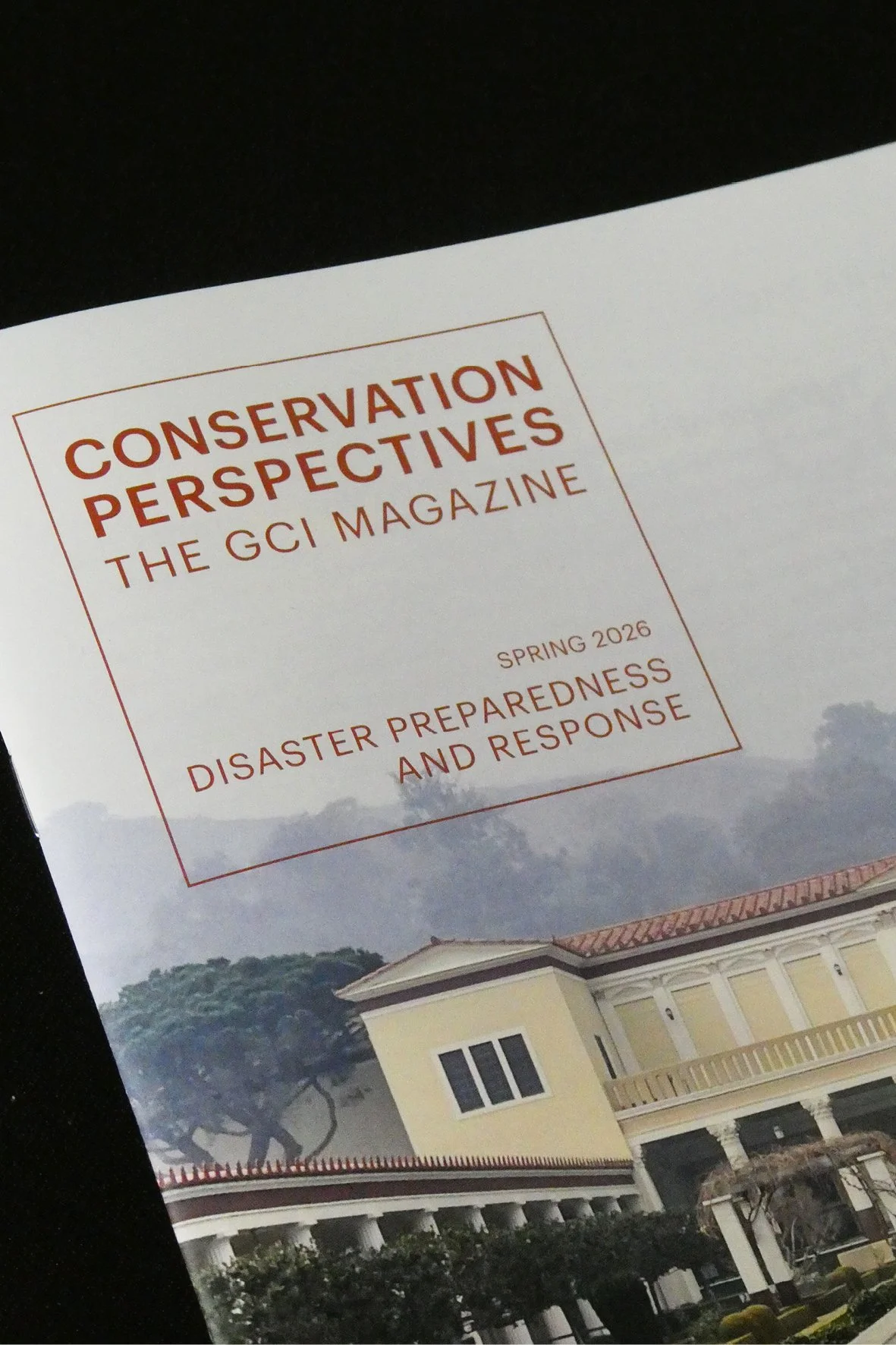
Disrupted by Climate: heritage management and disaster response in India is an article published by the Getty Conservation Institute with a focus on climate adaptation, heritage preservation, and disaster preparedness.
With an occurrence of 73 per cent of all natural disasters worldwide, Asia is by far the continent most exposed to disasters and it is increasingly affected by climate change impact. The urgency in climate change adaptation correlates with a broad infrastructure and population exposure, including millions of indigenous people who are the custodians of traditional knowledge systems and irreplaceable cultural assets.
-
![]()
Hidden Perspectives
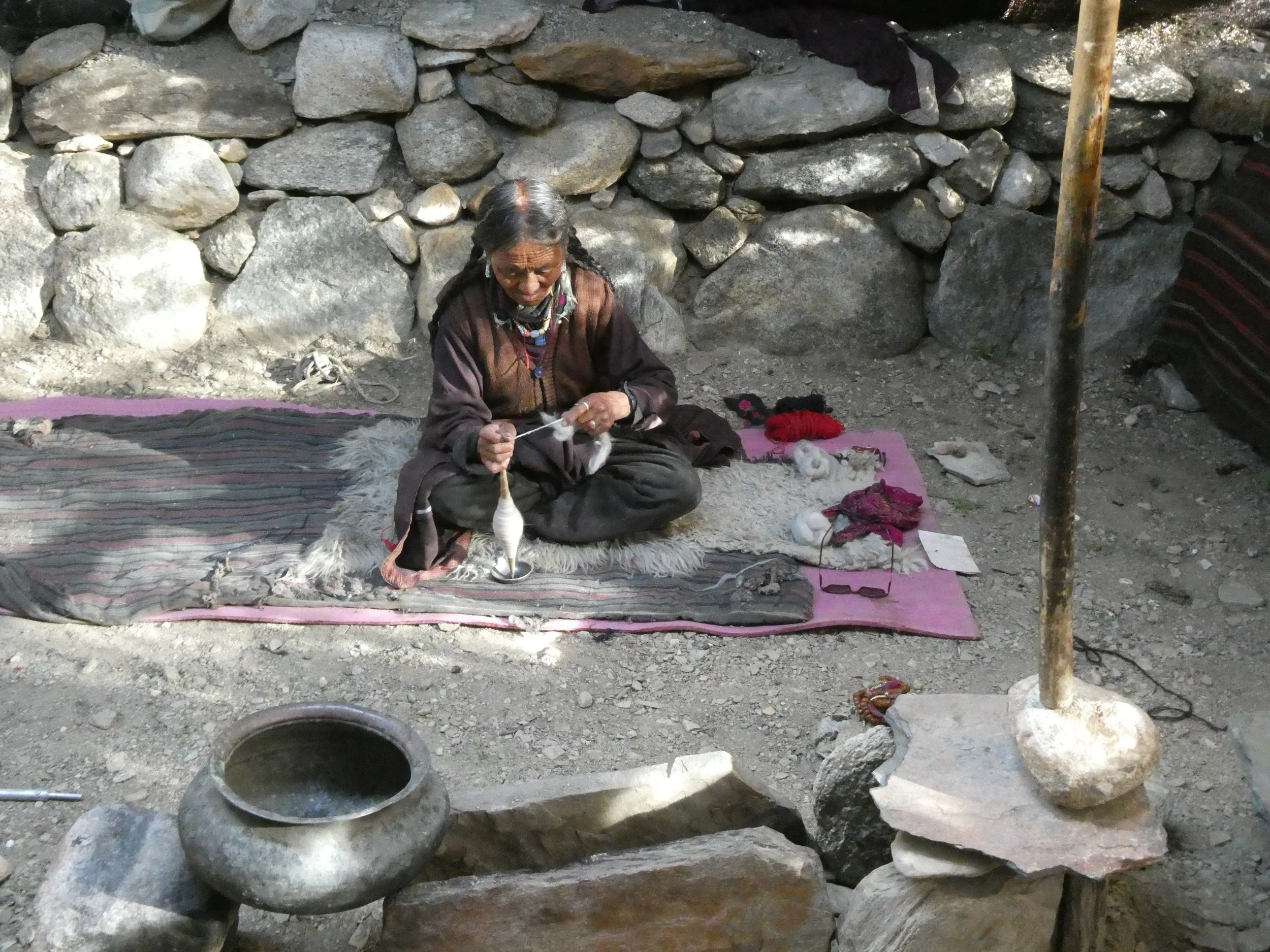
The exploration of ‘cultural landscapes’ first requires an understanding of the term. Beyond the notion of mere physical space, it is important to review the components that build our perceptions of cultural landscapes: knowledge, temporality, information, and social life among others. Hence, this type of landscape is not one-dimensional but rather layered with variable elements. It is characterized by transitions, disruptions, and impermanence.
-
![]()
Patchworks
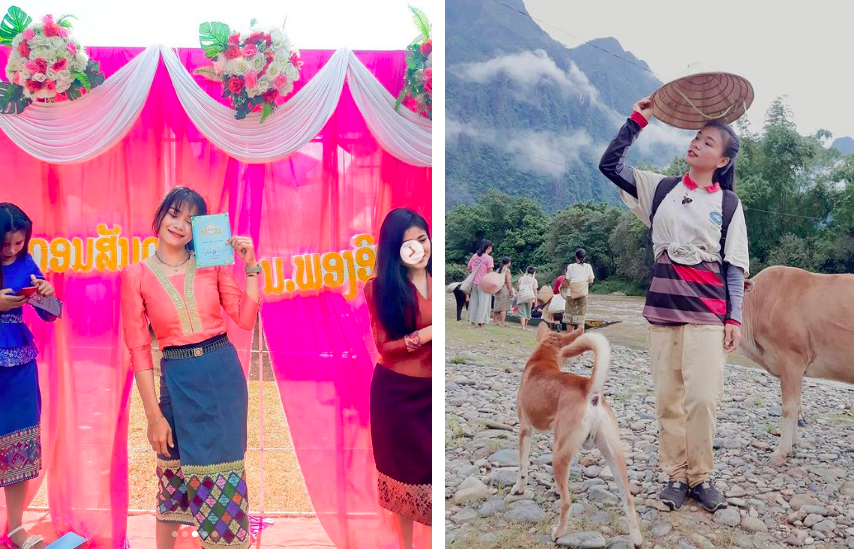
How do objects create connections between cultures, places and peoples? How does material life affect the social and cultural condition of people around the world? Patchworks investigates the contemporary transformations of traditional clothing in east Asia notably in indigenous contexts, the tourism industry and through global fashion and media influence.
-
![]()
Spaces | Volume 2
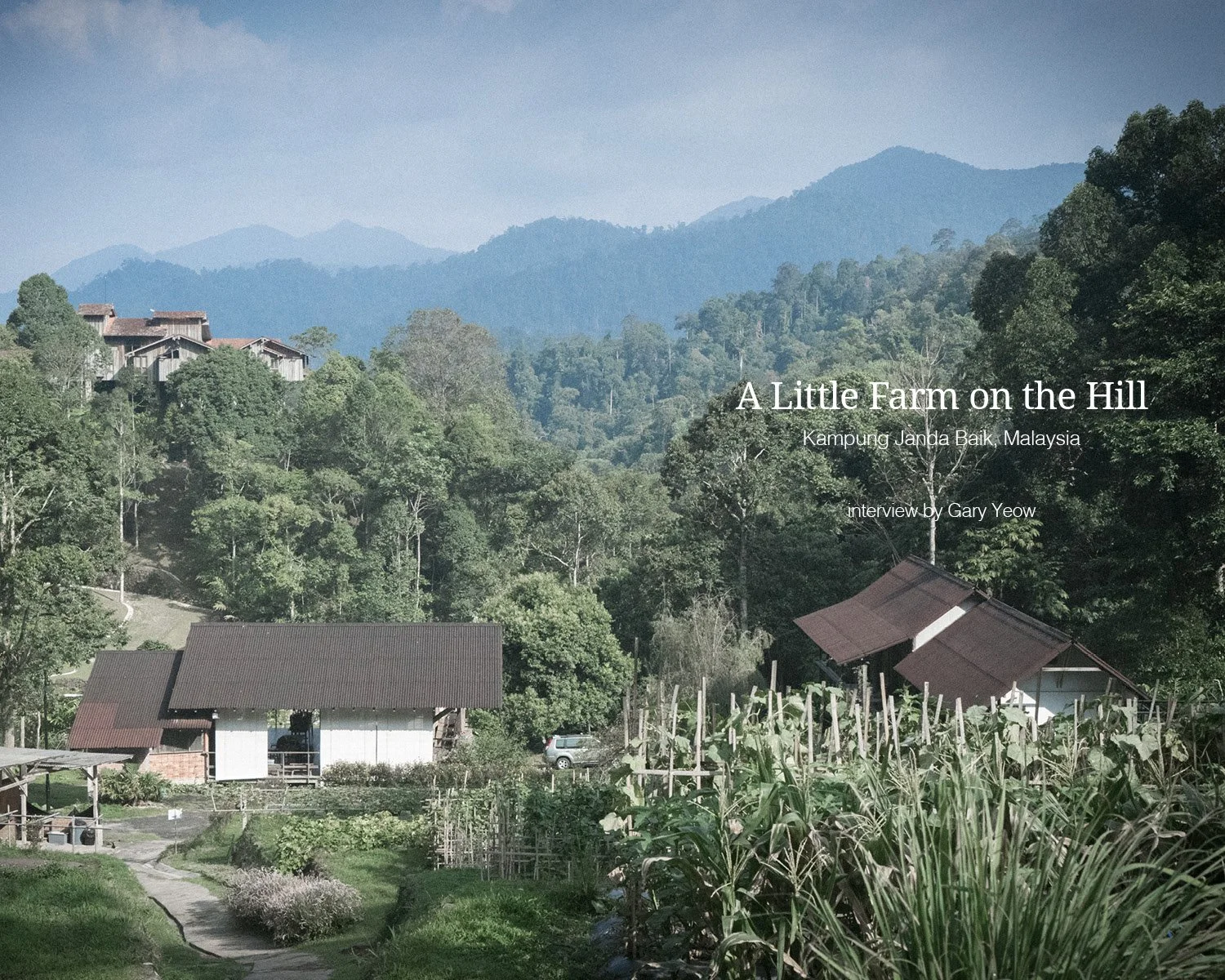
The second volume of Spaces focuses on the topic of food and looks at the recent effects of the pandemic on daily life and also centuries-old habits, the movements of migration that continues to shape the cultures of Southeast Asia. Building layer upon layer, criss-crossing undefined terrains, this publication attempts to blend the poetry of everyday life with social commentary. As we look beyond the sweetness of traditional desserts, the glossy packaging of instant noodles or the humble structure of a street food vendor stall, each food experience can be viewed as a metaphor, mirroring a culture, an identity or a community.
-
![]()
Building Resilience
Building Resilience is a UNESCO training toolkit that provides technical guidance on the management of archives and documentary heritage in the event of a disaster (natural or man-made) and includes case studies from Asia-Pacific. With the growing impact of climate change and conflict situations, UN efforts are increasingly directed toward disaster preparedness and while this publication is designed for librarians, archivists, museum and heritage professionals, it can also be used by anyone who owns smaller collections, e.g. galleries, family archives.
-
![]()
Beyond Objects
Situated at a crossroad between creative exploration, visual anthropology, and cultural studies, this research takes a look at craft in connection to everyday life. The project picked various locations as starting points, then progressively identified the links between local situations, craft practices and broader contexts to share insights on traditional cultures, the effects of modernization in Korea as well as global transformations.
-
![]()
Hitokoto
Hitokoto in Japanese means ‘one word’ but it also can mean a brief exchange of words. A brief moment that unknowingly appears and vanishes. Fragments holding a poetic universe, a reflection, a spiritual encounter. From the mountain roads of Niigata to the shores of the Seto islands, the book gathers images and notes that I have produced along the way.
-
![]()
Let's Explore the Memory of the World
UNESCO’s Memory of the World is a programme created in 1992 to promote preservation, and to raise awareness of the need to make the world’s invaluable documentary heritage collections permanently accessible to all. This children’s book aims to sensitize the young generations to the field of documentary heritage and knowledge production.
-
![]()
Spaces | Volume 1
A journal that gathers visual narratives, interviews and stories about the dimensions of both physical and symbolic spaces in southeast Asia through a range of sub-topics including: cultural expression, identity, movement, and ecology. A particular emphasis is made on the flexible adaptation of local cultures in the global era, as well as the creativity of "non-creative" environments.