Paper
Hidden Perspectives
EXAMINING THE LINKS BETWEEN LOCAL KNOWLEDGE, GLOBALIZATION AND CREATIVE THOUGHT
Introduction
The exploration of ‘cultural landscapes’ first requires an understanding of the term. How are cultural landscapes defined and how are they shaped? Beyond the notion of mere physical space, it is important to review the components that build our perceptions of cultural landscapes: knowledge, temporality, information, and social life among others. Hence, this type of landscape is not one-dimensional but rather layered with variable elements. It is imbued with histories, identities, meanings and is characterized by transitions, disruptions, and impermanence.
A few years ago, walking around the streets of old Bangkok, I saw a sacred tree squeezed in between the Mandarin Oriental and Hilton hotels, wrapped in colourful cloth with amulets and offerings delicately placed around it.
In Bangkok’s urban geometry, nature is confined to limited spaces, struggling to emancipate, yet occasionally finding its way in between construction sites and high-rise towers. On the elevated walkways, real trees can be seen juxtaposed against billboard representations of tropical jungles. In countries of Asia and beyond, the rapid transformation of the physical environment is symbolic, encapsulating the quiet vanishing of lesser-known traditions, eroded cultural landscapes and endangered ways of living. Yet in this interconnected era, different worlds continue to co-exist and diversity endures in new forms, often hidden beneath the obvious. Seeing this ordinary scene reminded me of the following:
“A rhizome may be broken or shattered at a given spot, but it will start up again on one of its old lines, or on new lines.” (Deleuze, Guattari)
A rhizome is a subterranean plant that grows horizontally and has the capacity to produce new shoots and roots close to the surface level. This plant is a metaphor for pockets of resistance in unexpected places. It reaffirms the belief that hidden or barely visible manifestations of life have a capacity to trigger new movements which, over time, result in visible and lasting change.
The disparities between local/global, urban/rural contexts are expressed in both the struggles and the resistance of the so-called marginalized peoples and places. As social, cultural and environmental transformations accelerate, how can we envision the role and place of creativity in building a balanced future? Which common grounds can we identify to regenerate fragile systems and support diverse worldviews?
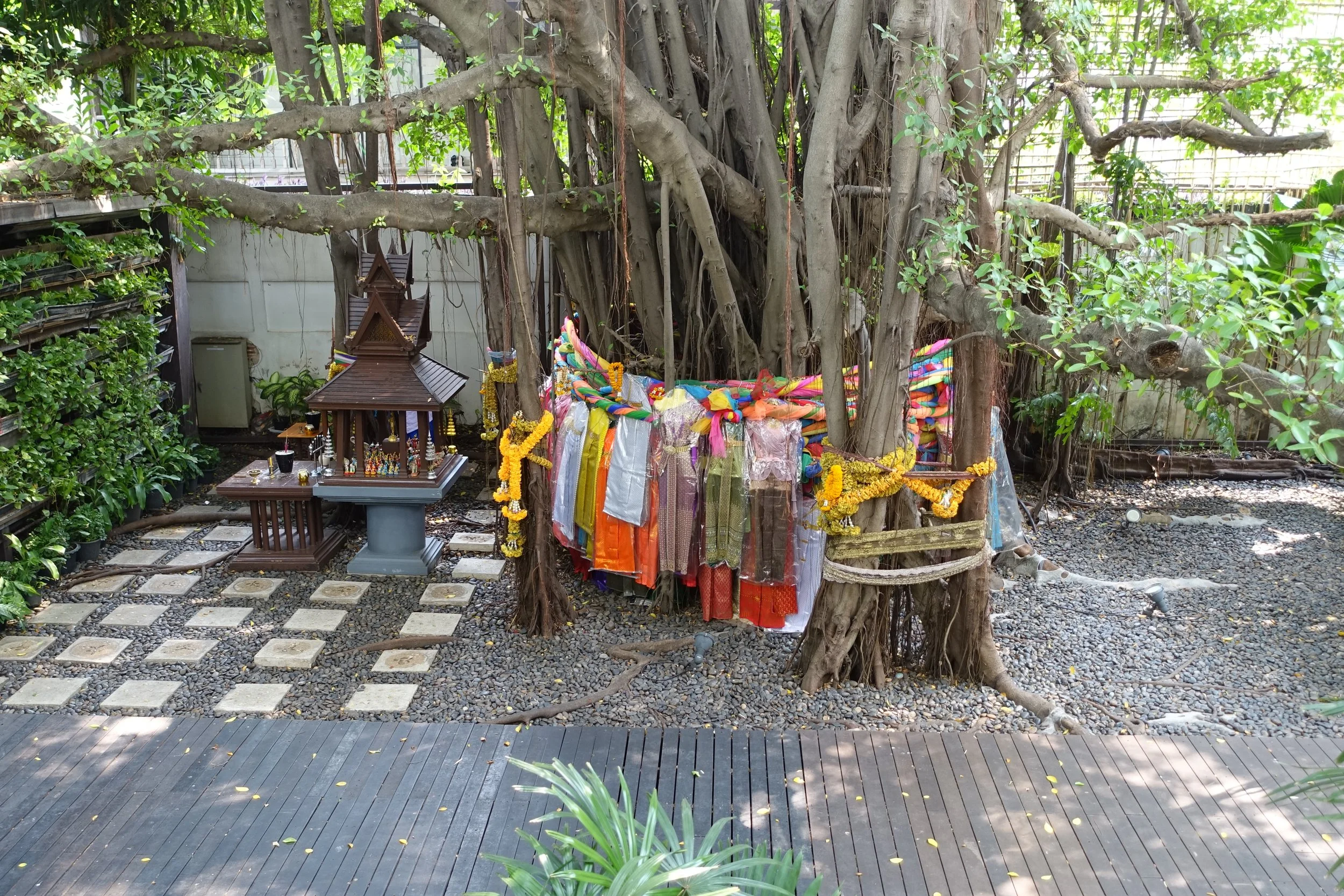
Khlong San, Bangkok, 2023
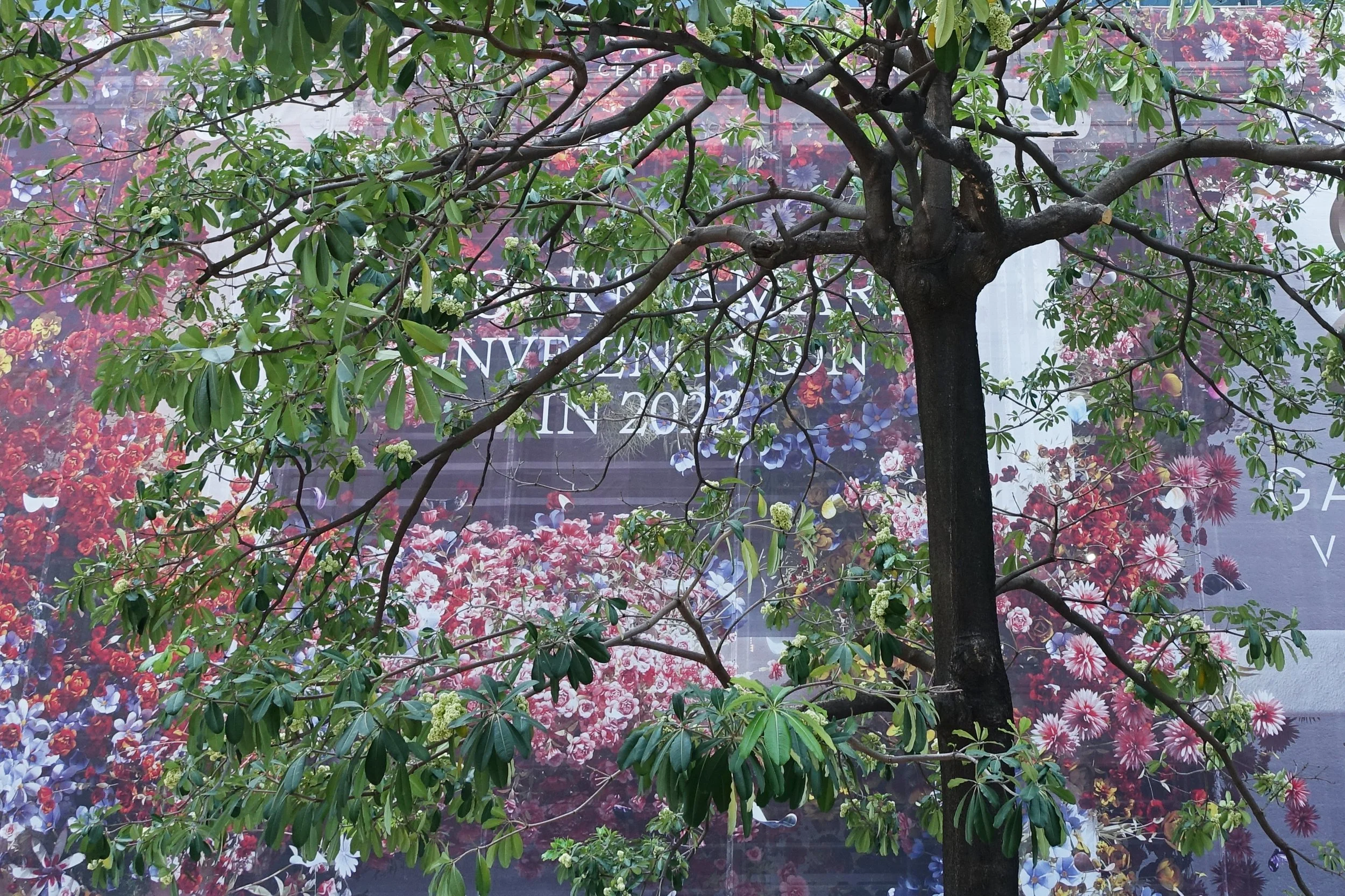
Siam, Bangkok, 2023
Temporal distance
In modern life, the management of personal time has been identified as a determining factor in cultural accessibility. The availability of ‘free time’, associated with leisure and rest, most often corresponds to creative and cultural activities. Cultural landscapes are therefore formed according to peoples’ relation to time, their social life and priorities.
Simultaneously, with the rise of digital means, peoples’ relationship to their environment and time has become distanced. This distortion is impacting their ways of behaving, thinking, creating, ‘seeing’. Is it the prevalence of speed? Or the reduced ability to pause and reflect?
With digital information, the illusion of having control over time is also exacerbated. Immersed in the flow of digital contents, our understanding and definitions of basic concepts are generalized, and our ability to capture nuances or articulate details may be diminishing. Directly and indirectly, this has an impact on the creation and consumption of cultural contents. These profound changes in human perception and sensibilities were already attributed to media influence in the 1960s.
“In post-industrial societies where mass production and media predominate, life is presented as an immense accumulation of spectacles. Everything that was directly experienced has been replaced with its representation in the form of images. In the world that is really turned upside down, the true is a moment of the false. (The spectacle) organizes and validates all social relations according to appearances.” (Debord)
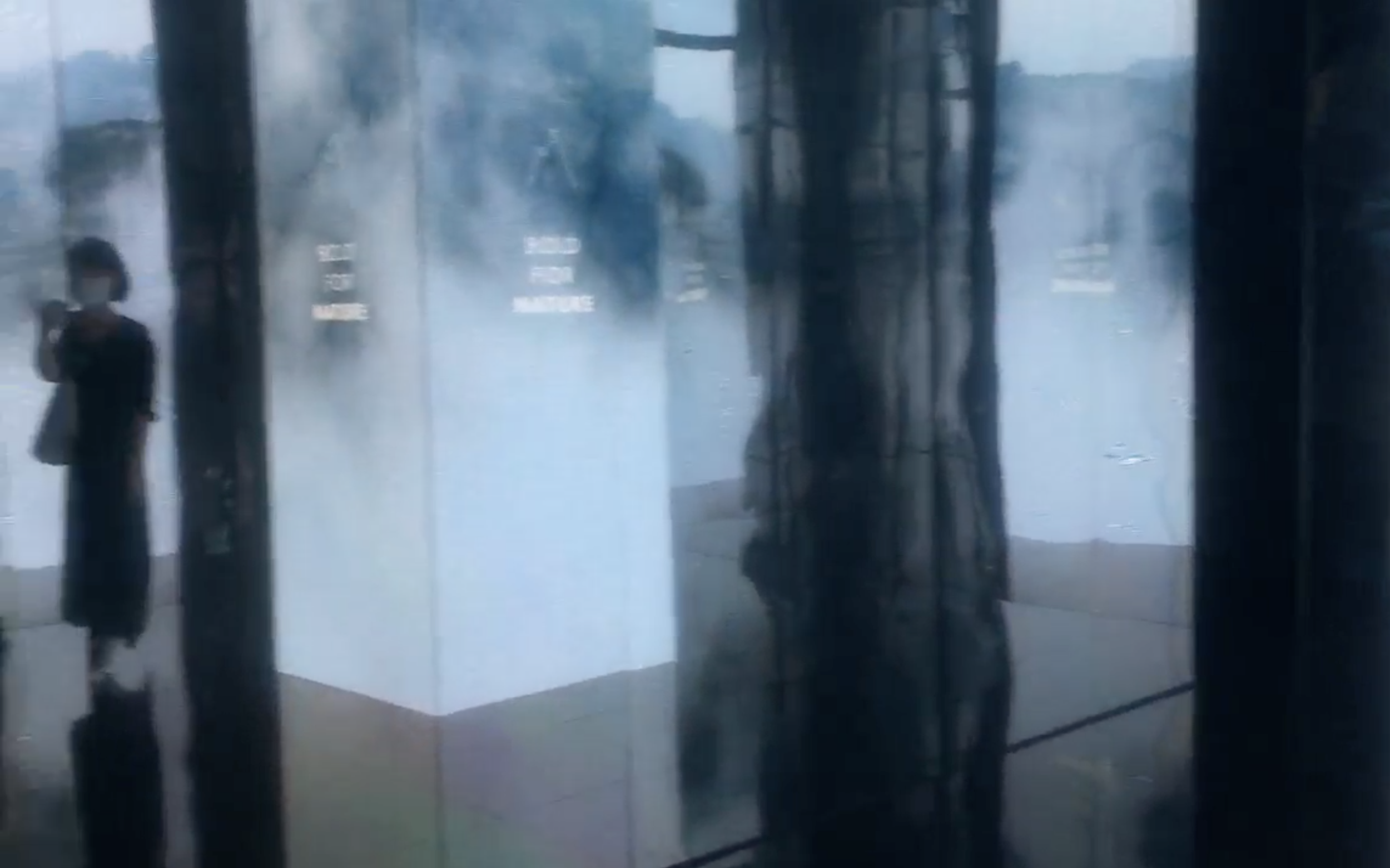
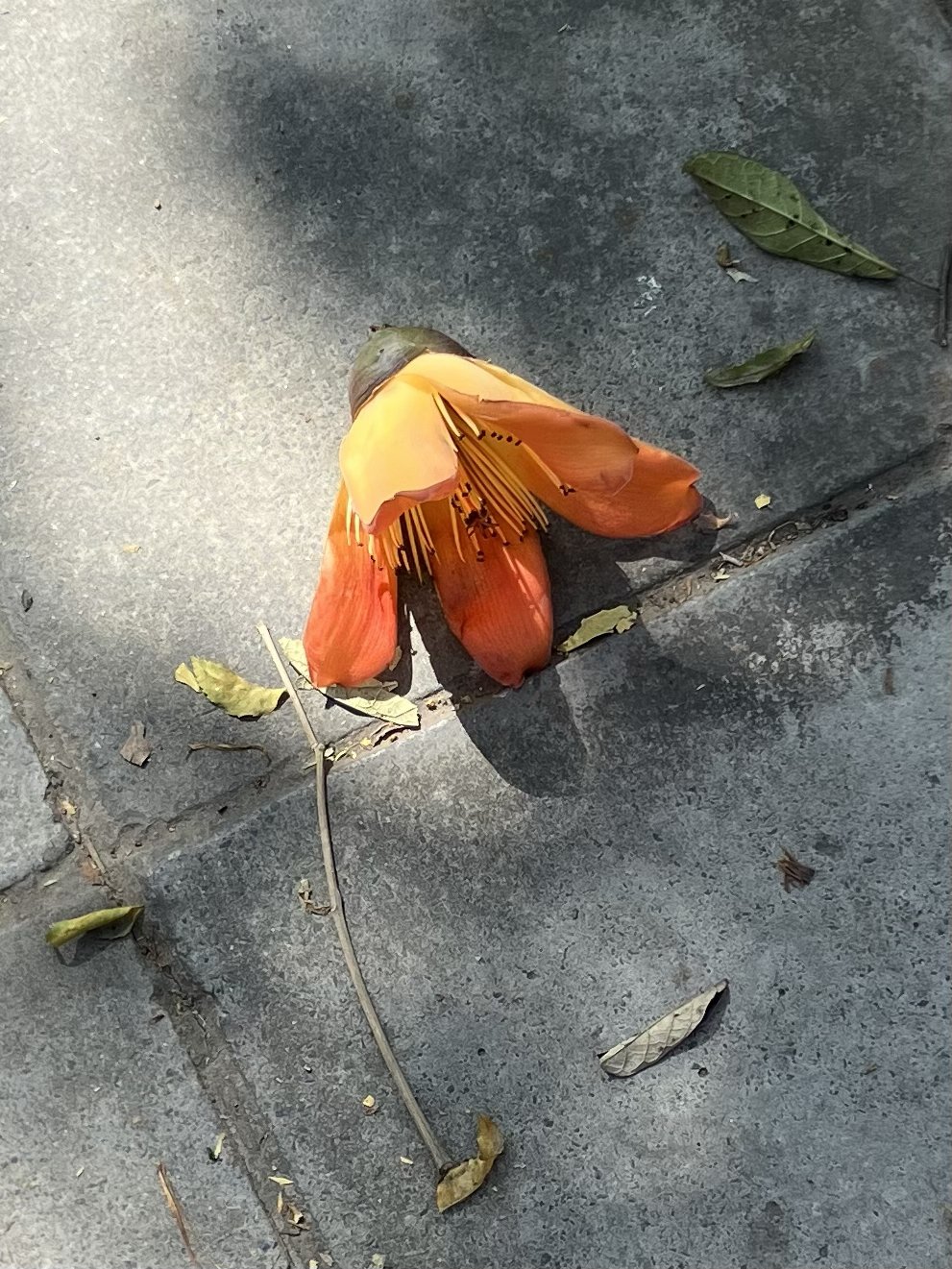
“The mind works best at about 3 miles an hour (…) if this is so, modern life is moving faster than the speed of thought.” (
Solnit)
Ancient futures
Increasingly, our globalized (cultural) landscape is defined by both uncertainty and patterns of media-infused predictability. Against this restless digital ‘mirror’, contents based on ‘histories’ and ‘traditions’ have procured a sense of cultural stability, posing also some risks. In 2001, the futurist Jérôme Bindé wrote an essay titled Toward an Ethics of the Future in which he advised caution on the dangers of withdrawing into a static notion of the past. His piece called for an evolving concept of heritage as a platform for “living together”, based on pluralism and reciprocity.
“Withdrawal into the past makes up for the absence of any collective future (where) the heritage business replaces common heritage (…) The ethics of the future must become one of the values, if not the fundamental value of humanity’s common heritage. And values, far from being a fixed untouchable reference, should be an evolving heritage, focused on the future.” (Bindé)
The heritage landscape, beyond its easy commodification through so-called ‘cultural experiences’ notably via tourism and social media, exists across the world as real-life contexts where people are now struggling to protect their cultural assets while undergoing rapid social transformations. Through creation, collaboration, and inspiration across multiple fields and disciplines, the rarest forms of culture may be sustained in motion. Only if past traditions have an access to support the making of possible futures.
While the long-term sustainability of cultural landscapes also depends on efforts in heritage preservation, conservation work is fully justified when it is combined with a dynamic regeneration process that considers local livelihoods and their positive engagement between different groups. True capacities are made possible with time, in-depth explorations, cultural openness, responsible behaviour, and a resistance to readymade assumptions.
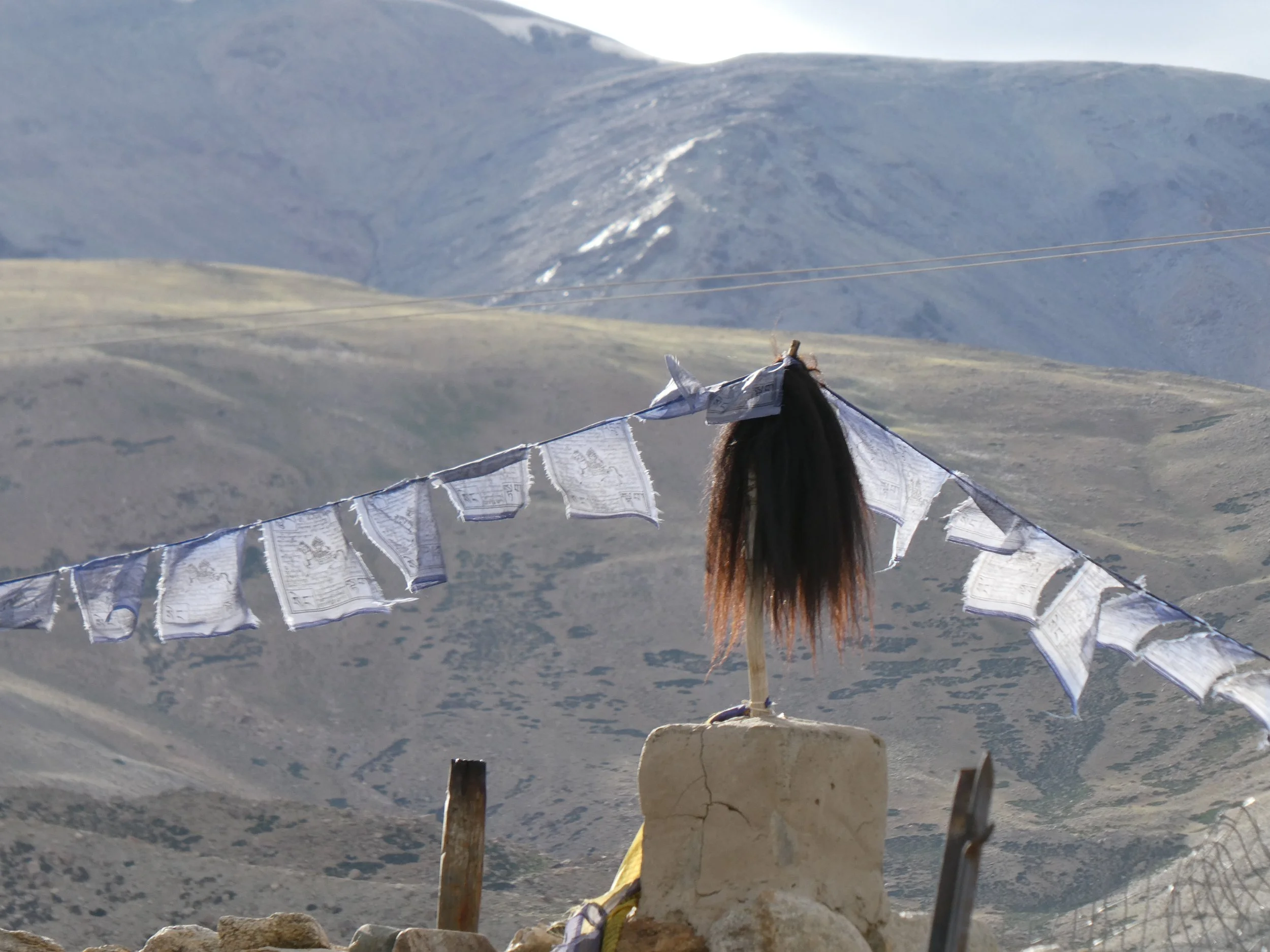
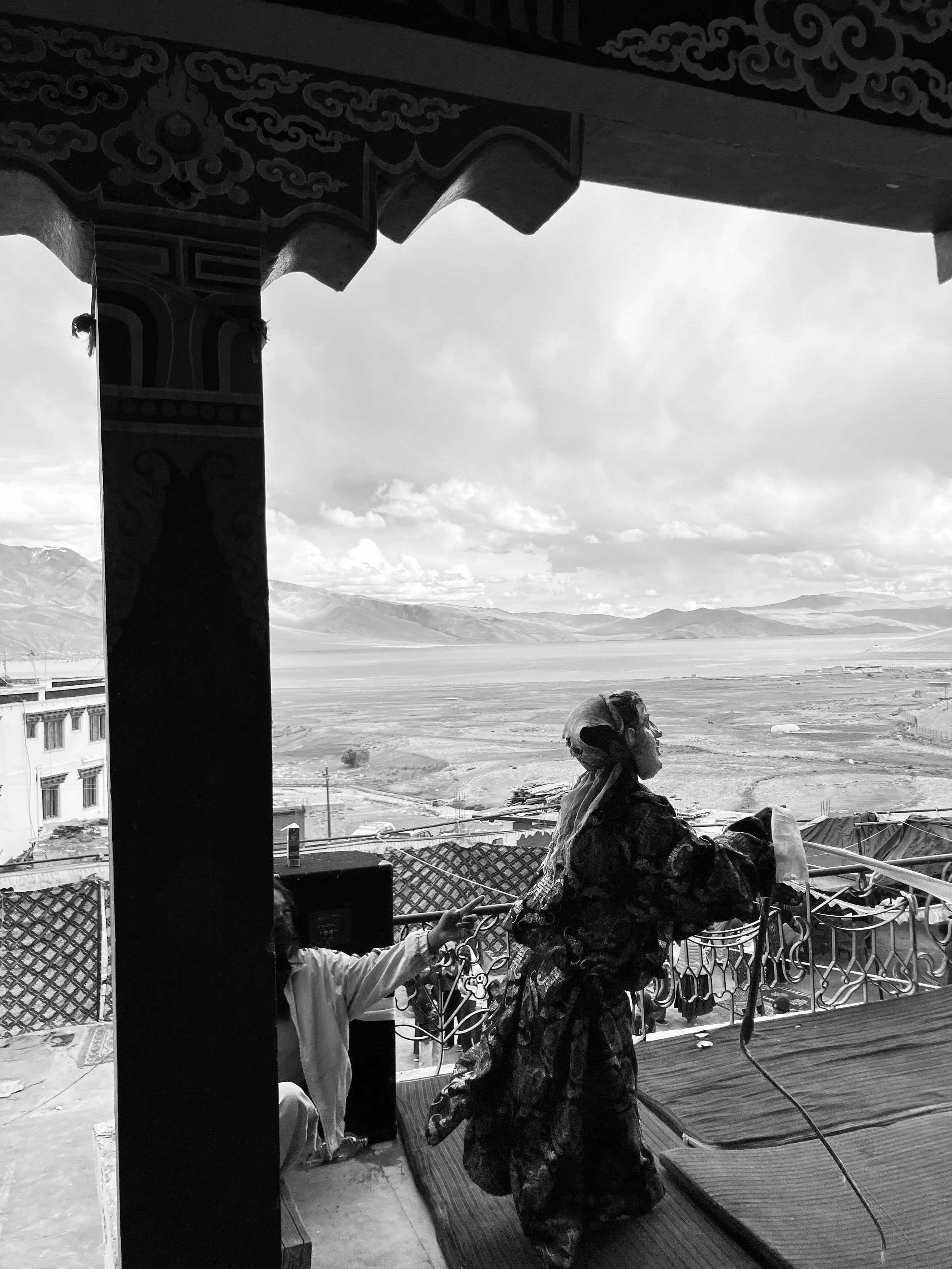
Korzok Gustor Festival, Ladakh, 2025
References
Bindé, J. (2001) Toward an Ethics of the Future in Globalization, edited by Appadurai, A., Durham London: Duke University Press, pp 90-113
Debord G. (1967) La société du spectacle (The Society of the Spectacle), Paris: Gallimard
Deleuze G. and Guattari F. (1980) A Thousand Plateaus, Capitalism and Schizophrenia, Minneapolis: University of Minnesota Press
Solnit R. (2001) Wanderlust: A History of Walking, London: Penguin
This piece is adapted from a paper presented at the 2-day conference Time, Territory & Tradition: Interdisciplinary Dialogues on Cultural Landscapes
27–28 March 2026, New Delhi
Organized by Vastukala Academy