Exhibition
Spiritual Crossings
Masks as sacred symbols, ritual objects and theatrical journeys
•
Since ancient times, masks have been used to transcend the boundaries between self and other, between humans and gods. Masks thus were never meant to conceal but instead revealed invisible worlds through sensorial experiences: ceremonial, ritualistic, or performative.
Across geographies, places around the world have created and continue to share diverse spiritual practices associated with mask ritual performance including shamanic traditions, mythological narratives and ritual celebrations.
As unique handcrafted objects, the masks embody both aesthetic and symbolic values that are closely associated to their ancestral origins. They carry the essence of distinctive cultures from the Global South from past to present.
Sacred Realms
Through various rituals, masks connect humans with the realm of gods and spirits.
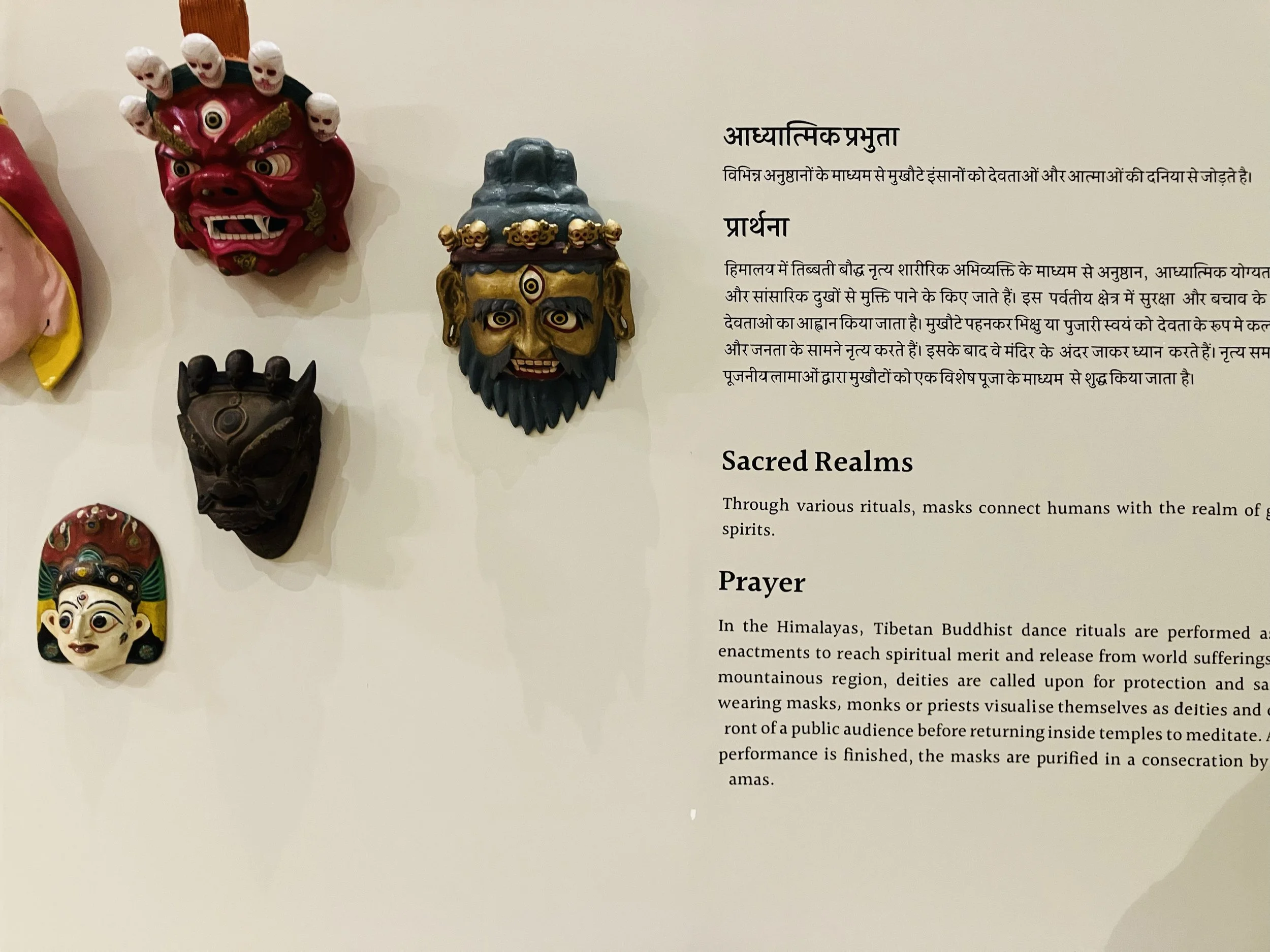
Prayer
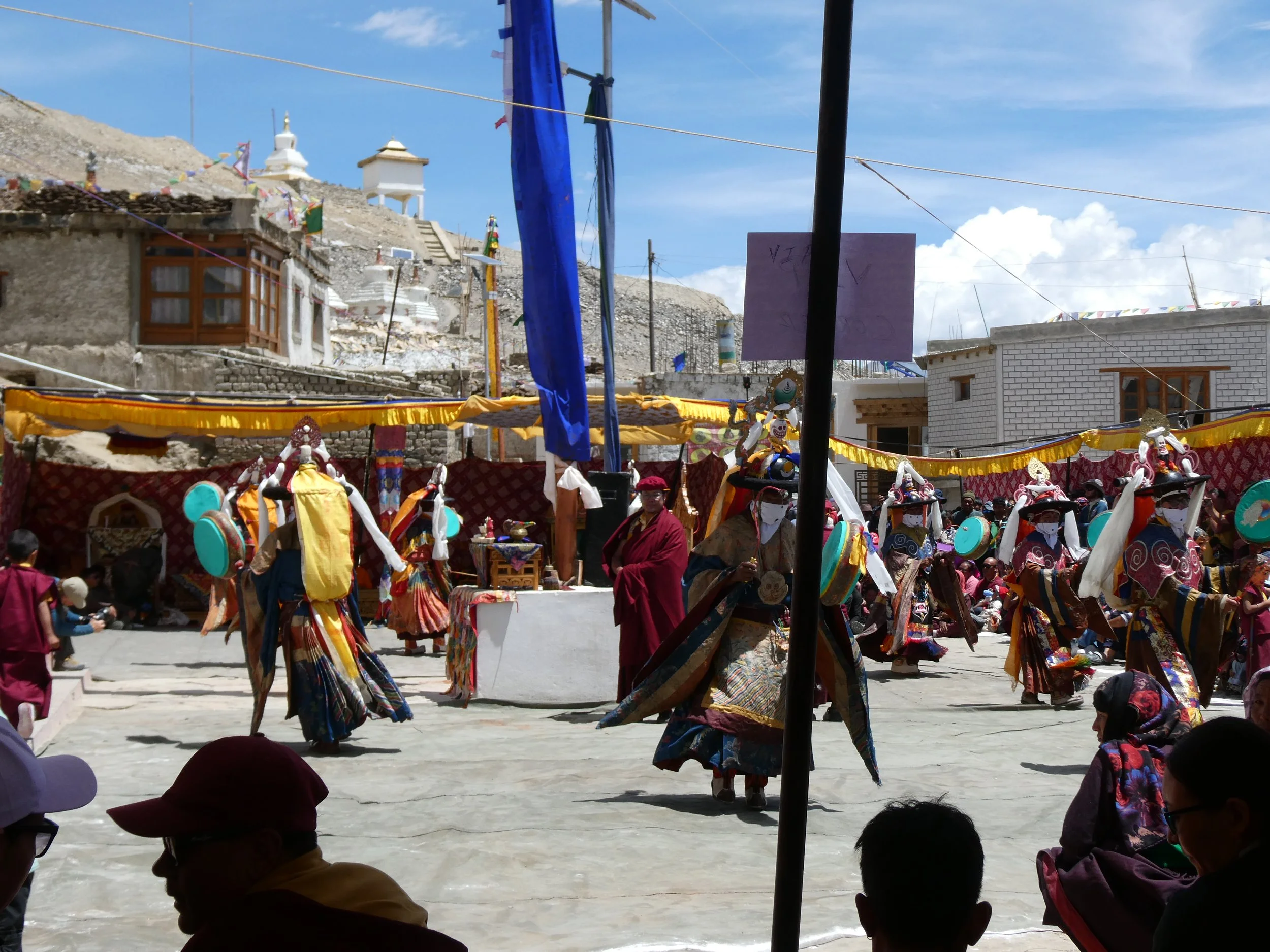
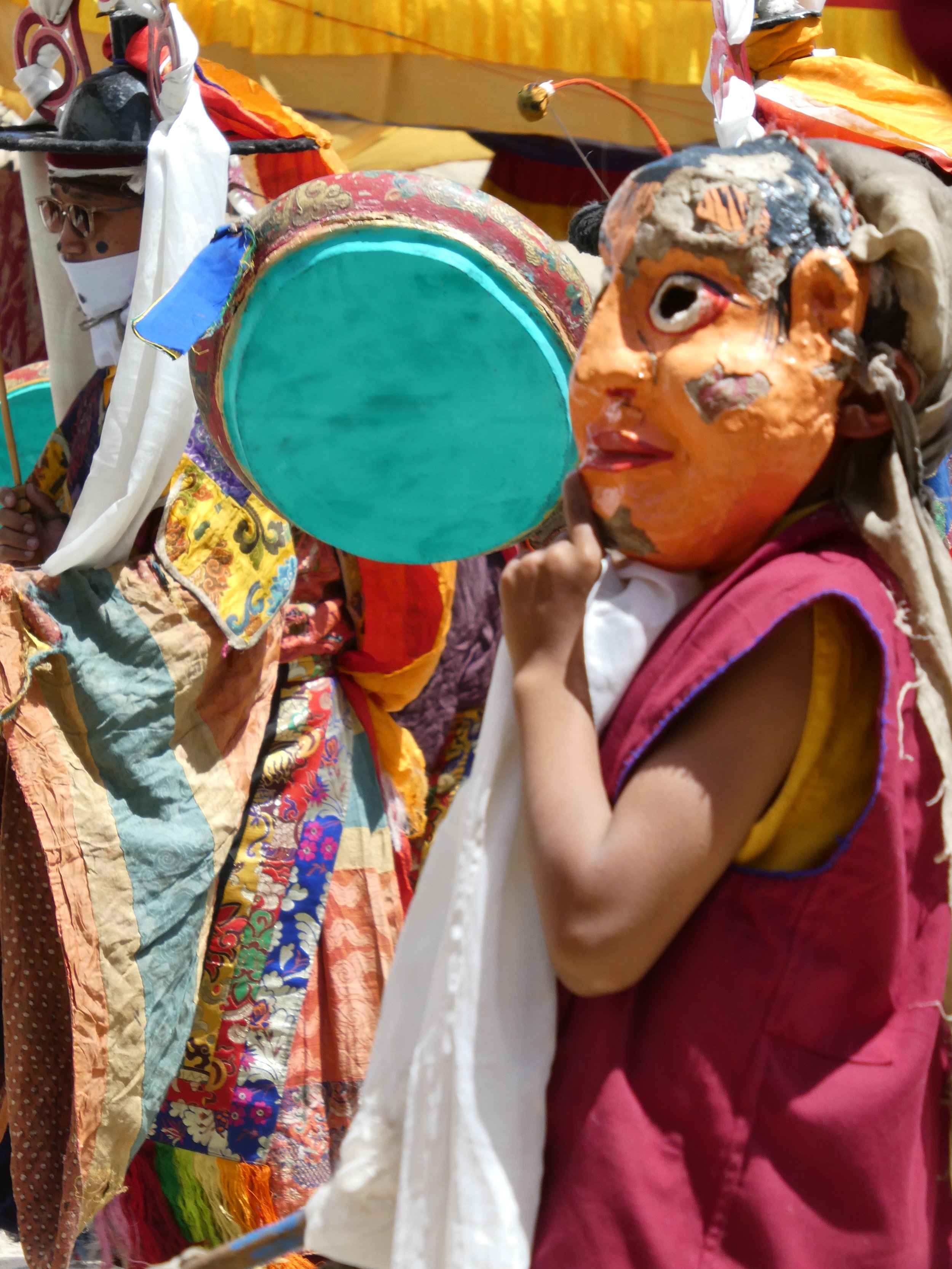
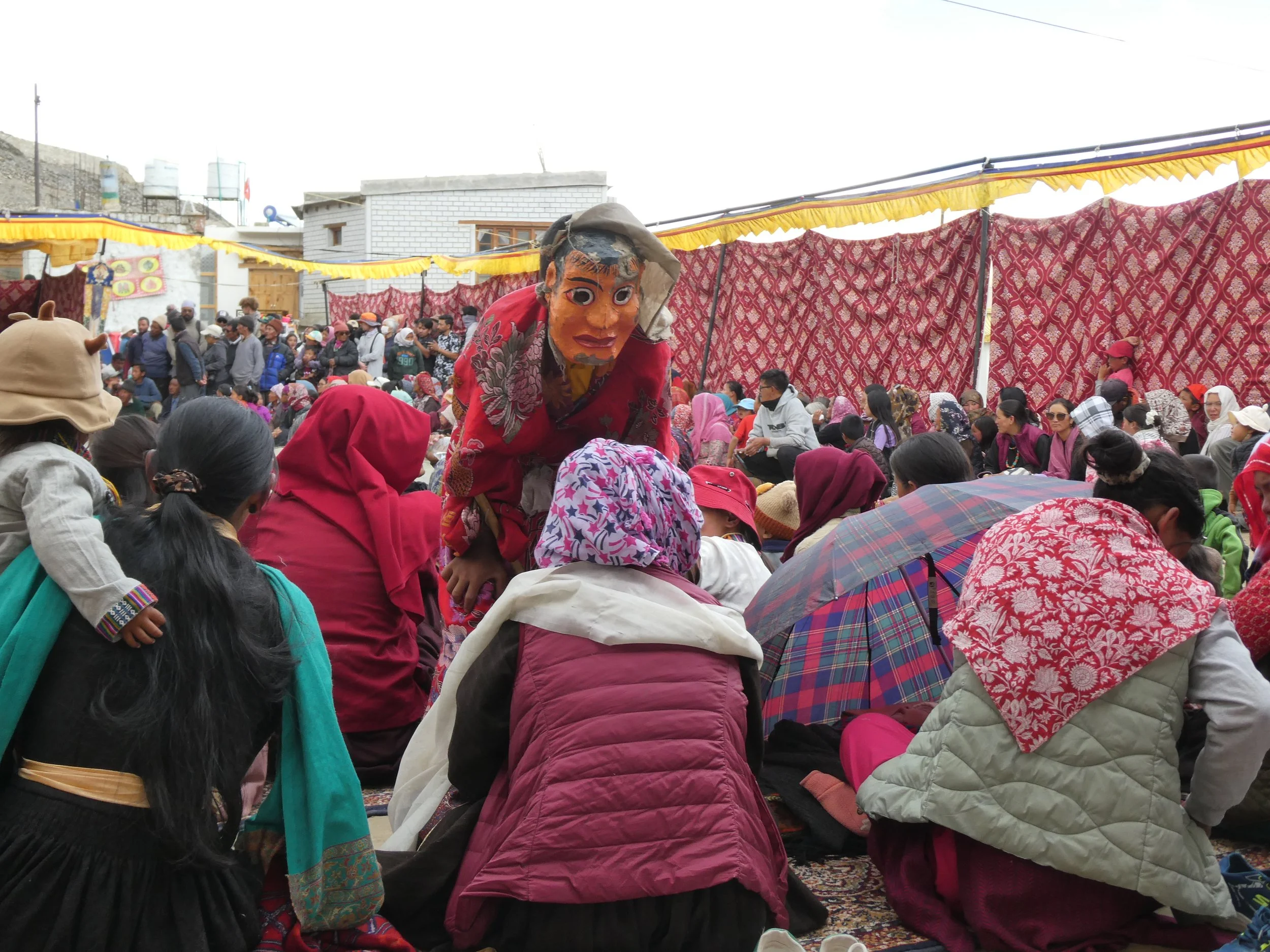
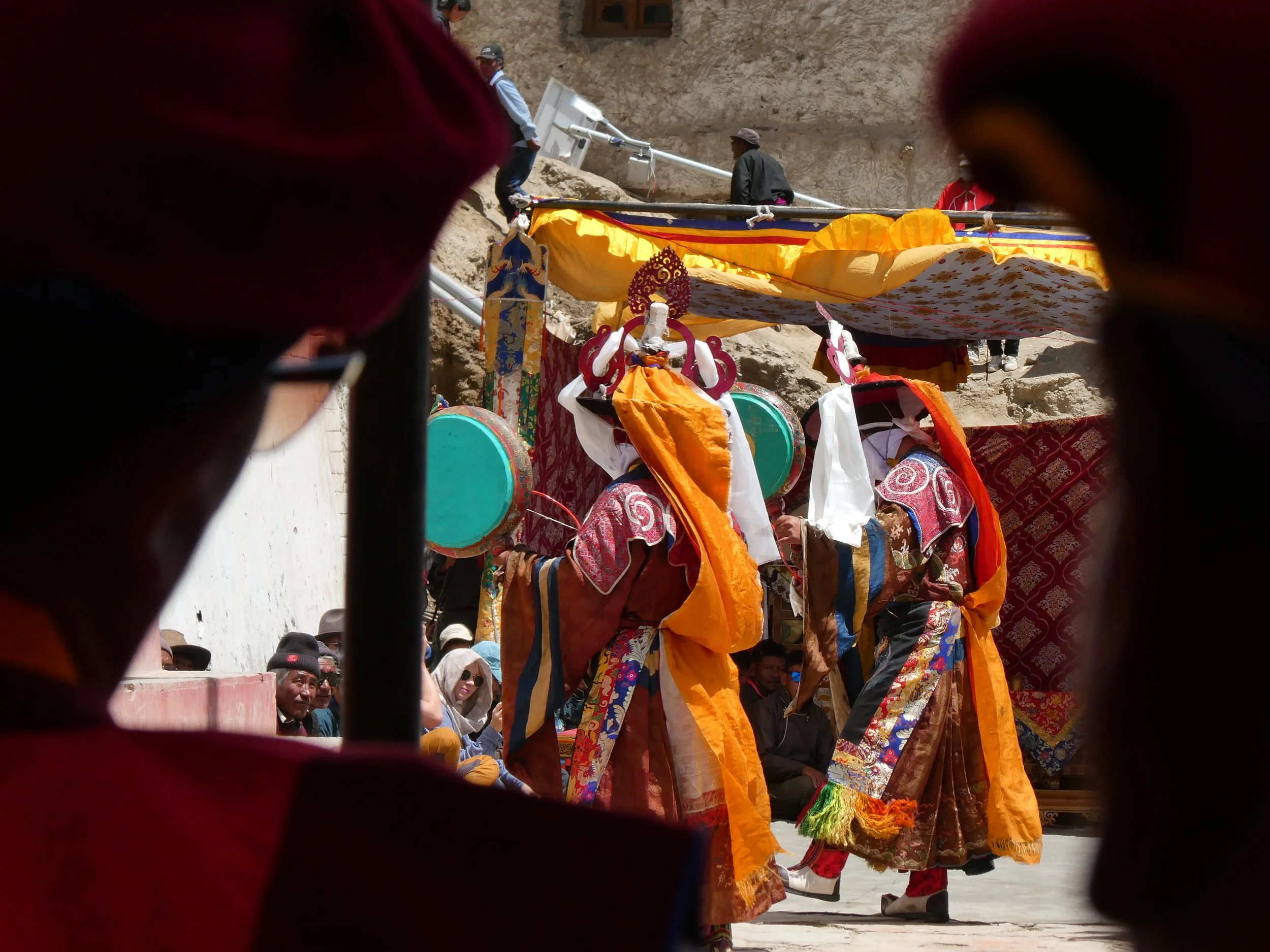
In the Himalayas, Tibetan Buddhist dance rituals are performed as bodily enactments to reach spiritual merit and release from world sufferings. In this mountainous region, deities are called upon for protection and safety. By wearing masks, monks or priests visualize themselves as deities and dance in front of a public audience before returning inside temples to meditate. After the performance is finished, the masks are purified in a consecration by revered Lamas.
Health and Well-Being
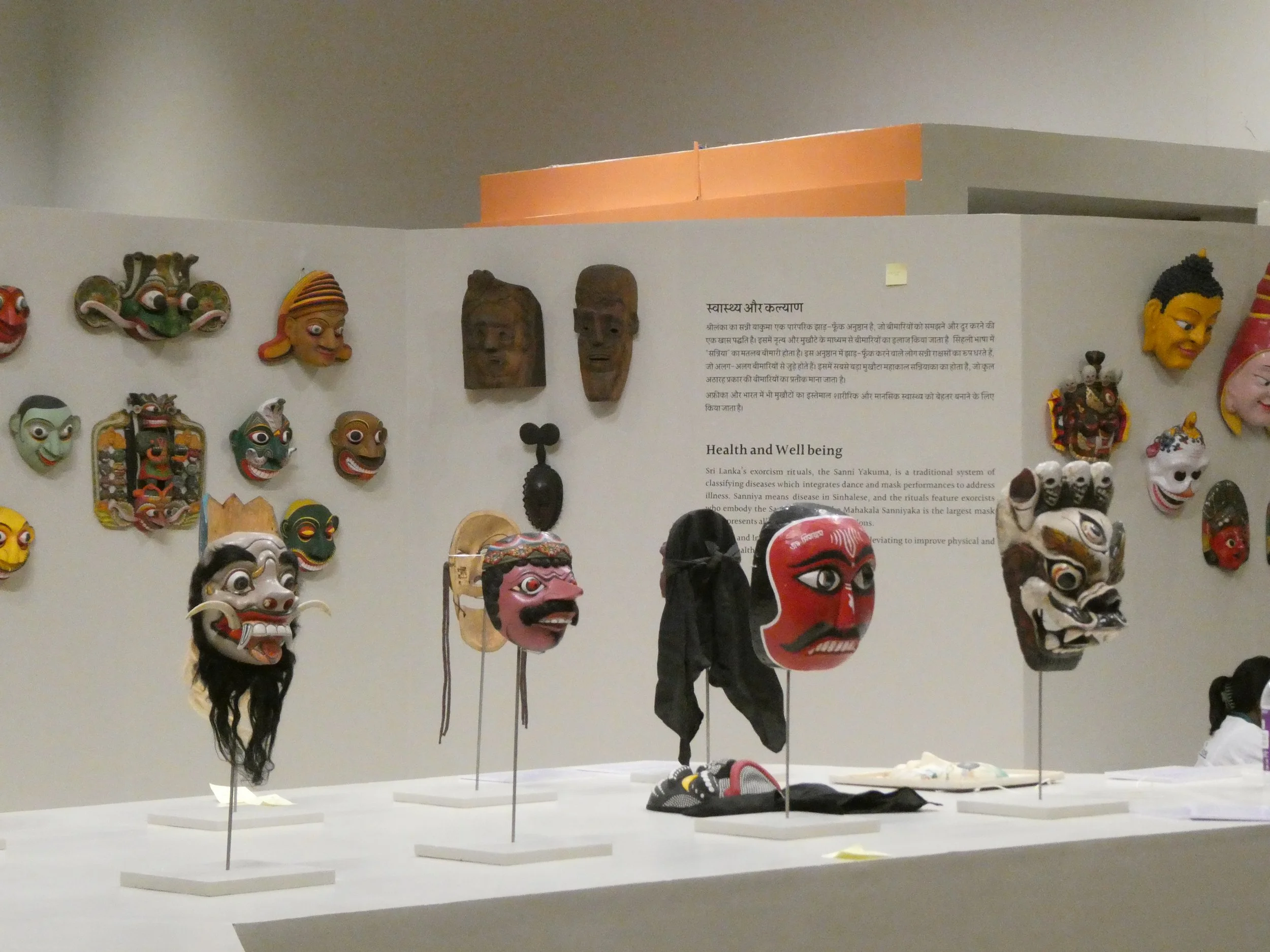
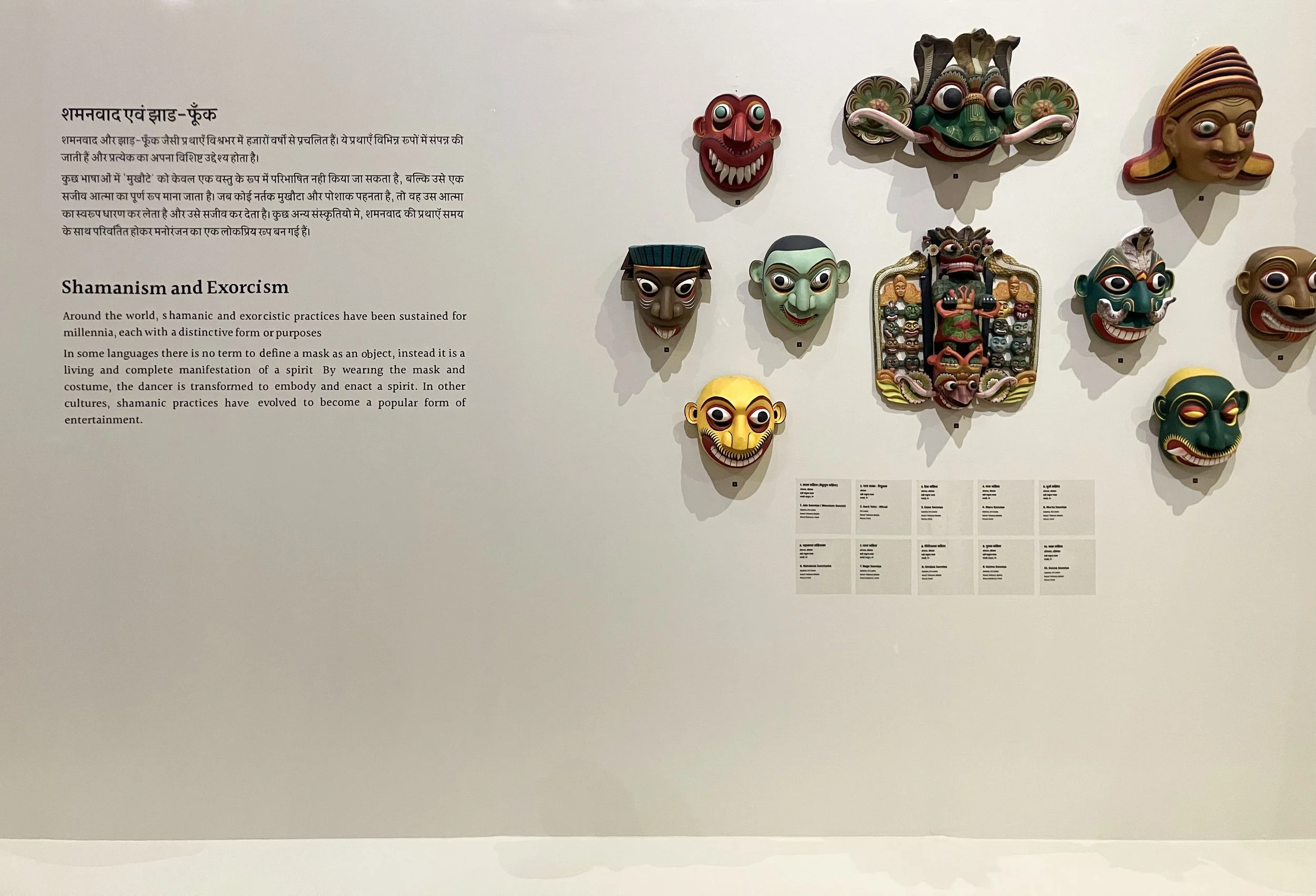
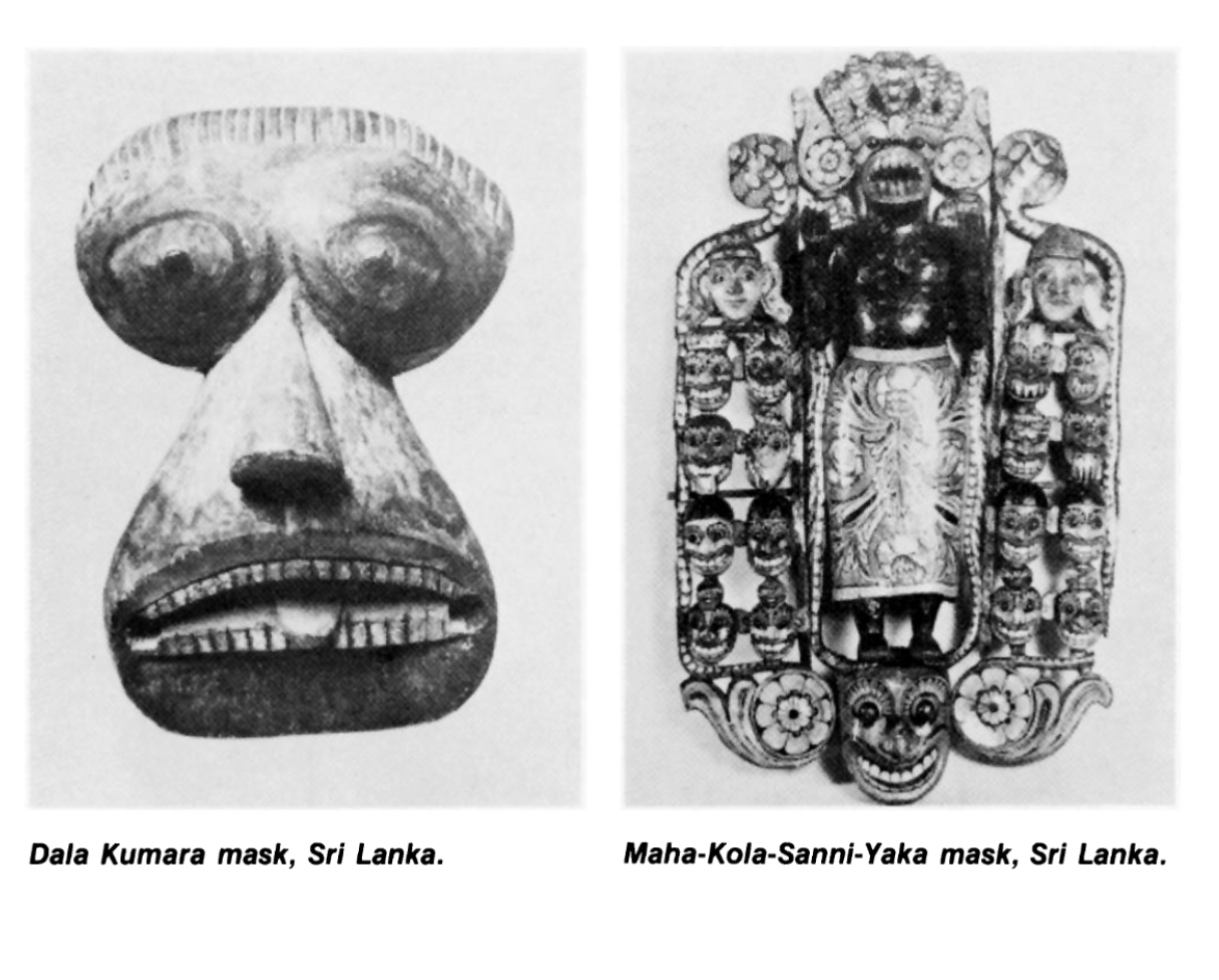
Sri Lanka’s exorcism rituals, the Sanni Yakuma, is a traditional system of classifying diseases. which integrates dance and mask performances to address illness. Sanniya means disease in Sinhalese, and the rituals feature exorcists who embody the sanni demons. The Mahakala Sanniyaka is the largest mask and represents all eighteen possible afflictions.
Shamanism and exorcism
Around the world, shamanic and exorcistic practices have been sustained for millennia each with a distinctive form or purposes.
In the Guro language (Ivory Coast) there is no term to define a mask as an object, instead it is a living and complete manifestation of a spirit. By wearing the mask and costume, the dancer is transformed to embody and enact a spirit. The mask ceremony is performed at funerals to enter into communication with ancestors and ensure the integration of the deceased into their world.
Calonarang masks from Bali (Indonesia) carry significant cultural and ritualistic importance, and are used in performances to narrate an ancestral story, which revolves around a widow named Rangda who seeks revenge on Balinese villages using black magic. The drama is usually staged during troubled times in a village or as part of an annual festival themed around death. Shamanic seances are known to be high-risk events that put the shaman’s life in danger due to the presence of powerful witch forces that can unleash in uncontrollable ways.
Korean mask plays emerged from folk origins during the late Joseon dynasty (1392-1910 AD) and are derived from shamanist rituals. They later evolved as a popular entertainment form that reflectedthe commoners' disdain for the ruling Yangban elite. Traditionally the shamanic mask dances were performed as rituals to call for a bountiful harvest.
Transformation
Masks were originally used to modify human appearances, in a process of transformation through both invocation and theatrical representation. The mask is not meant to conceal but works to expose invisible worlds.
Animal masks
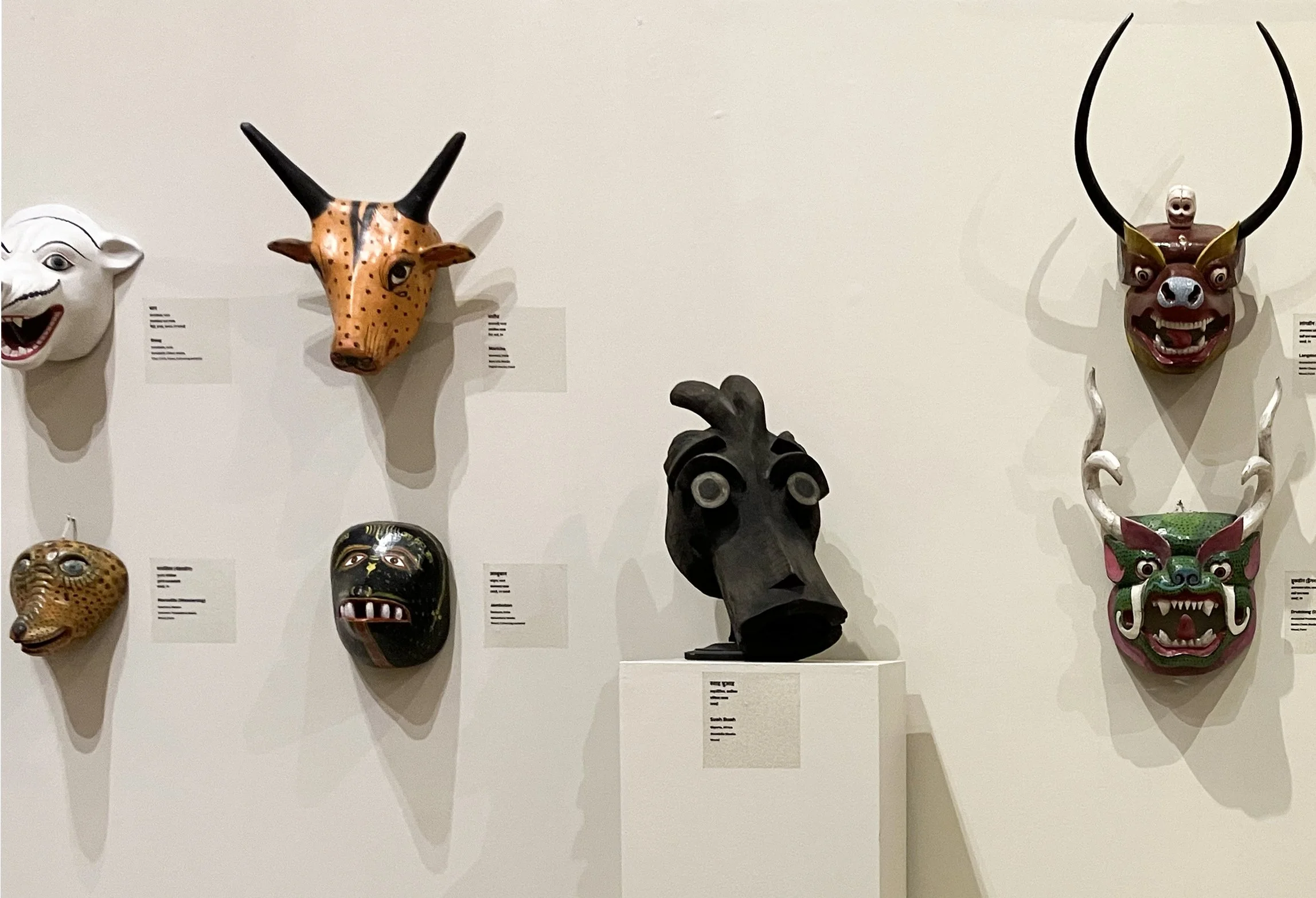
In early societies, humans disguised as animals in a process of mimicry, often for their own survival. The evolution and expansion of artistic expressions led to the elaboration of symbolic animal masks across religions and cultures. In some cases, animal representations have been associated to deities while others are meant to express a specific power or character.
Animal masks are prominent among the Brado Cham dance of Northern India, which are performed to impart moral lessons, notably by demonstrating the consequences of one's actions in life and the outcomes of those deeds during the period between death and rebirth.
Deities and supernatural beings
Masks have been predominantly used to depict, incarnate and invoke deities in religious rites around the world, they are also associated with folk narratives and ancient mythologies that remain relevant in the present day such as the Ramayana.
Masked performances from India’s Ramayana epic travelled to numerous countries and multiplied in various forms until the present day. Local interpretations of the Ramayana have also created distinctive versions of the story such as the Khon mask ballet in Thailand which is closely associated with the country’s royal identity.
Symbolism and celebration
Masks are used to mark the passage of time, the changing seasons, specific moments in life.
Initiation ceremonies
Across African countries, masks are used in initiation ceremonies to signify the transition from childhood to adulthood while ensuring one’s life toward a path of good conduct and wisdom. Such rituals are particularly focused on young men and the relation to their ancestors.
Festivals and performances
Yearly celebrations prominently feature mask performance across many regions from Latin America to East Asia. Animal creatures, mythological characters and deities incarnate universal themes including good fortune and protection from evil deeds.
Beauty and aesthetics
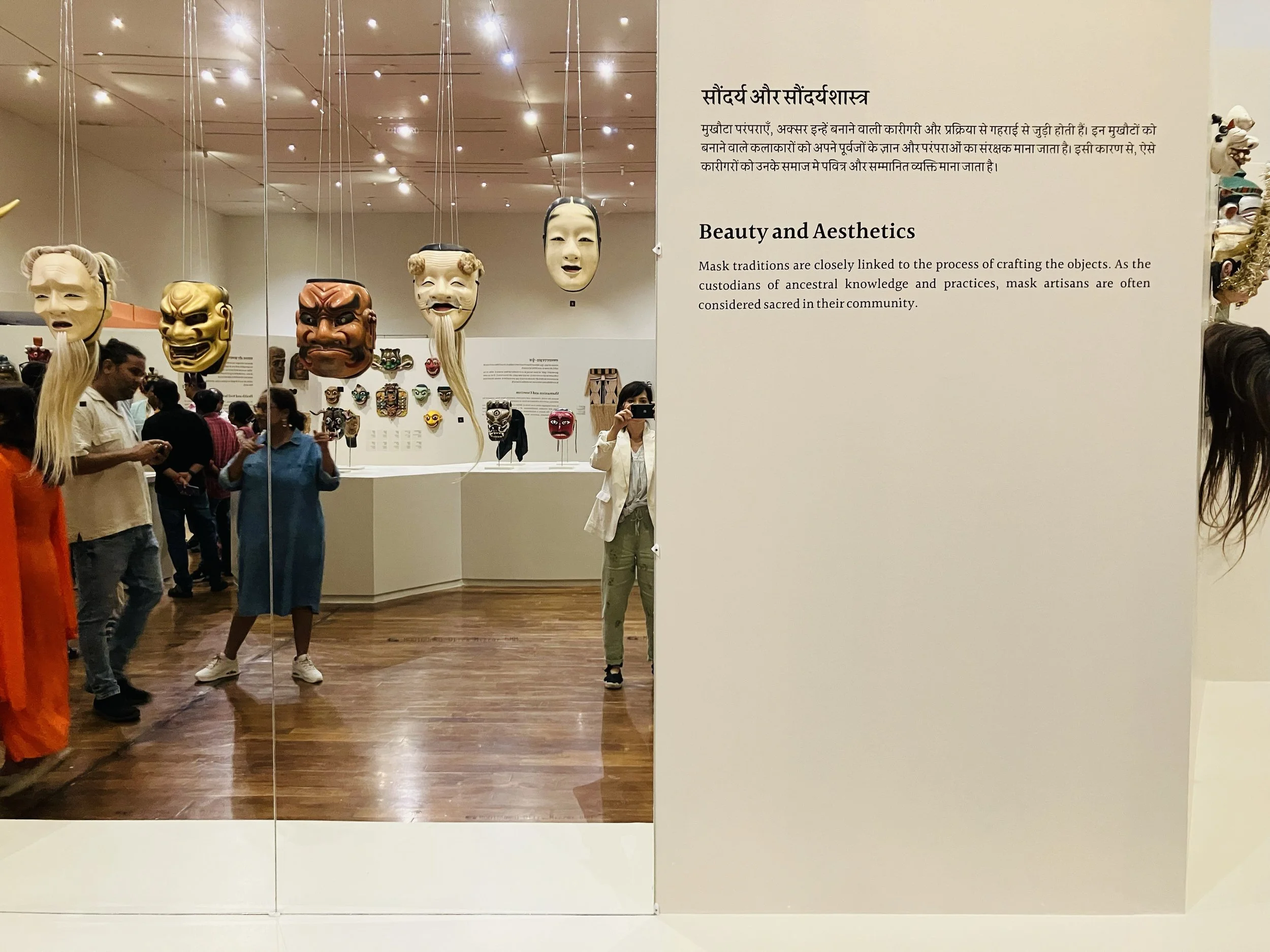
Mask traditions are closely linked to the process of crafting the objects. Their makers are considered sacred in their community as the custodians of ancestral knowledge and practices.
Craftsmanship
Diverse techniques and materials have been used to create masks, many of which share similarities across regions and continents: wood, natural fibers, pigments, paint, lacquer, papier maché, or animal hair. From folklore to elevated artforms, traditional masks embody ancestral wisdom and knowledge spanning generations.
Information
Bihar Biennale | 7 August to 31 December 2025, Patna
Co-organized by the Bihar Museum & the Indira Gandhi National Centre for the Arts